How the Booth Font Transformed My Small Business Branding
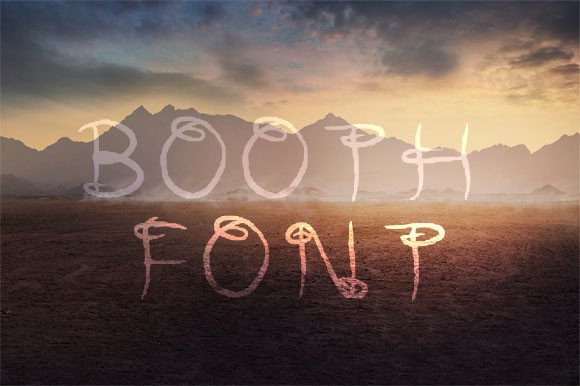
It started with a simple request: a new label design for my handmade candle line. I was tired of the same generic look and wanted something that felt more personal, more "me." That’s when I stumbled across the Booth font — a quirky handwritten typeface that instantly caught my eye. What I didn’t expect was how much of a difference this one font would make across my entire brand.
Booth isn’t your typical clean, minimalist font. It’s got character — a playful, slightly bouncy rhythm that feels both friendly and professional. It’s the kind of font that works especially well for small businesses that want to stand out without looking overly flashy. Whether it’s on a candle jar label, a bakery box, or a café menu, Booth brings a sense of warmth and approachability that’s hard to replicate with more rigid typefaces.
From Labels to Logos: A Font That Does It All
I first used Booth on product labels. I had been using a basic sans serif before, but it lacked personality. When I swapped it out for Booth, the labels instantly felt more intentional. The font’s unique curves and soft edges gave my candles a more artisanal, boutique-style look. Customers started commenting on the packaging — not just the scent or the wax, but the visual details, too.
That success led me to try Booth in other places: my logo, thank-you cards, and even social media templates. It worked beautifully in logo design, giving my brand a custom-tailored feel. On Instagram, I used Booth for quote graphics and carousel headers, and it helped my feed look more cohesive. It’s a display font at heart, so it shines brightest in short bursts — headlines, titles, and small blocks of text.
Typography Matters More Than You Think
Before this, I never gave much thought to typography. I figured as long as the text was readable, it was fine. But the truth is, typography plays a huge role in first impressions. It affects how customers perceive your brand — whether you come across as trustworthy, creative, or polished. Booth gave my business that extra layer of professionalism without losing the handmade charm that my customers love.
It’s also surprisingly versatile. While it’s a script font, it doesn’t feel overly formal like some calligraphy-style typefaces. Instead, it walks the line between casual and refined, making it perfect for small businesses in creative niches. Whether you're a bakery owner printing cupcake tags or a skincare brand designing product packaging, Booth can help your visuals feel more intentional and memorable.
Where to Use Booth for Maximum Impact
Here’s where Booth really shines:
- Product labels – Adds a personal touch to handmade goods
- Packaging design – Elevates boxes, tags, and stickers
- Business cards – Makes your contact info stand out
- Social media graphics – Brings consistency to your feed
- Website banners – Offers a custom look without coding
It’s not ideal for long paragraphs, though. Since it’s a handwritten font, readability can drop on small print or mobile screens if used for body text. I stick to using Booth for headlines and accents, pairing it with a clean sans serif like Helvetica or Montserrat for supporting text.
Pairing Booth with Other Fonts
Font pairing is something I used to find intimidating, but it’s actually pretty simple once you understand contrast. Since Booth is playful and organic, it pairs beautifully with more structured fonts. For example:
- Booth + Montserrat – Clean and modern with a touch of warmth
- Booth + Playfair Display – Elegant yet approachable
- Booth + Lato – Friendly and professional for service-based brands
These combinations helped me build a more consistent brand identity across print and digital. The key is to use Booth as your standout element and keep the supporting fonts simple and legible.
What to Check Before Using Booth
Before you start using Booth in your designs, make sure you’re downloading a version that includes all the necessary file formats — OTF, TTF, and WOFF if you’re using it on a website. Also, check if it includes alternates and ligatures. Some script fonts come with extra stylistic sets that let you customize the look even more.
If you’re selling physical products or using the font in templates for clients, verify that it comes with a commercial license. Most premium fonts, including Booth, offer this, but it’s always good to double-check to avoid any licensing issues later.
Small Changes, Big Impact
Switching to Booth didn’t require a full rebrand or a big investment. It was a small, thoughtful change — but one that made a noticeable difference. My packaging looked more cohesive, my social media content felt more intentional, and overall, my brand felt more polished. It reminded me that branding isn’t just about logos or color palettes — it’s also about the tiny details, like the font you use on a thank-you note or a product tag.
If you're a small business owner or creator looking to refresh your visuals without overcomplicating things, give Booth a try. Whether you're designing a new menu, updating your packaging, or building a brand from scratch, a well-chosen font can be the missing piece that pulls everything together.